Inside ad:tech New Delhi 2026
Exploring innovations shaping the future of advertising technology
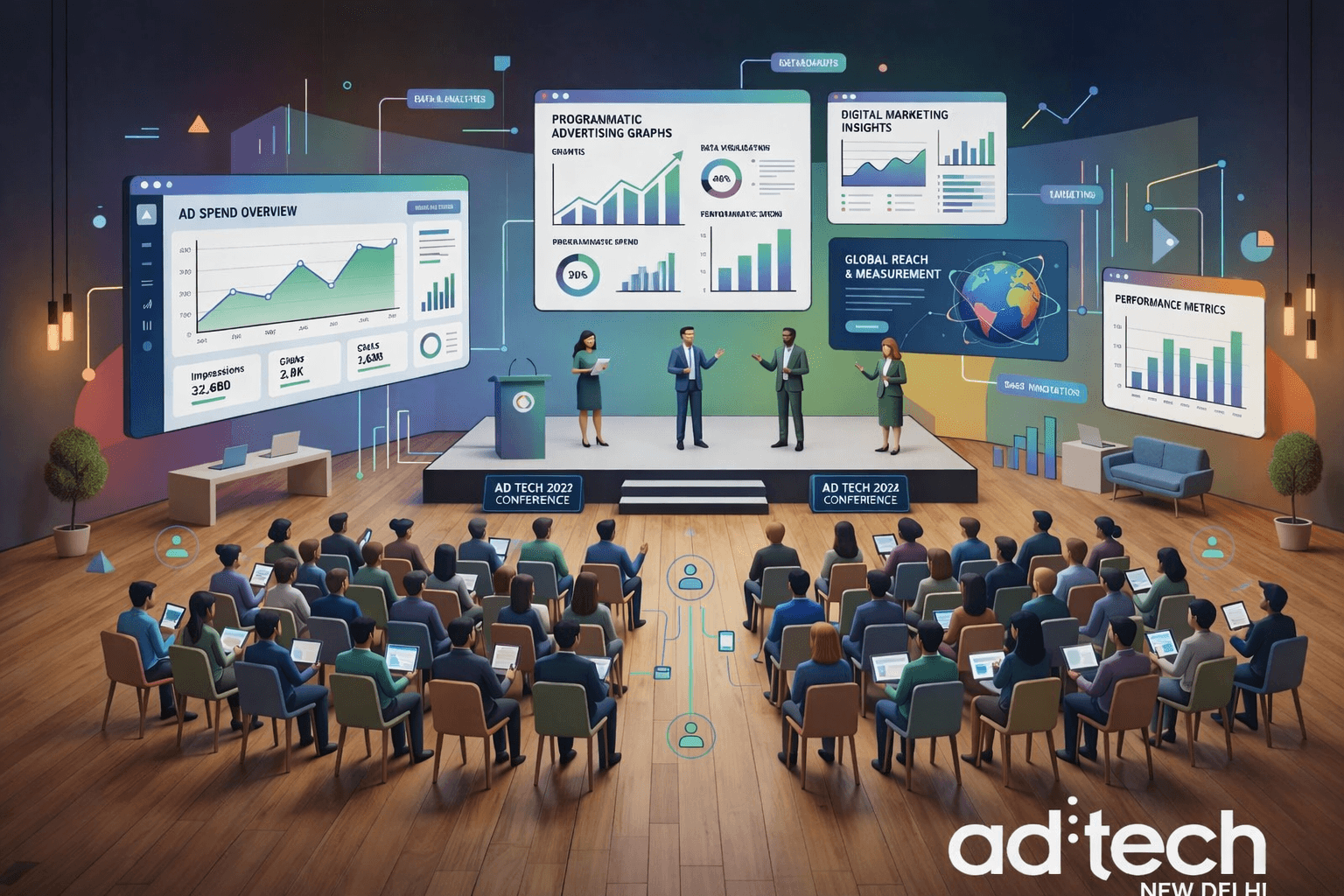
The digital advertising landscape continues to evolve as new technologies reshape how brands connect with consumers. From programmatic advertising to AI-driven marketing systems, companies are constantly adapting to new platforms and strategies. Industry events play a crucial role in helping professionals stay informed about these changes. Conferences provide opportunities to learn from experts, explore emerging technologies, and build partnerships across the digital ecosystem. ad:tech New Delhi 2026 is one such event that brings together leaders from across the advertising, marketing technology, and media industries.
Written by
Sidharth Gaikwad
Read Time
4 minutes
Posted on
03/17/2026
What is ad:tech New Delhi?
ad:tech New Delhi is one of the most established conferences in India focused on digital marketing, advertising technology, and media innovation. The event gathers professionals from across the advertising ecosystem to discuss the future of marketing, media, and technology.
Participants typically include:
Brand marketing leaders
Advertising agencies
AdTech and MarTech companies
Digital publishers and media platforms
DOOH operators and media owners
Technology startups and innovators
The conference creates a space where these stakeholders can exchange ideas, discover new tools, and explore industry partnerships.
Event Details
ad:tech New Delhi 2026 will be held over two days in March and is expected to attract thousands of professionals from the digital marketing and advertising ecosystem.
Key event details include:
Event: ad:tech New Delhi 2026
Dates: 17–18 March 2026
Venue: Yashobhoomi India International Convention and Expo Centre
Location: Dwarka, New Delhi, India
The venue is one of India’s largest convention centers and regularly hosts major technology and business conferences.
Key Themes Expected at ad:tech 2026
The conference will explore several themes shaping the modern advertising and marketing technology ecosystem.
Artificial Intelligence in Marketing
AI is increasingly used to automate campaign optimization, generate insights, and improve audience targeting. Marketers are adopting AI-powered platforms to make advertising decisions more efficient and data-driven.
Programmatic Advertising
Programmatic media buying continues to expand as brands rely on automated platforms for real-time ad placements and audience targeting.
This shift is also influencing the Digital Out-of-Home (DOOH) ecosystem, where screens can now participate in automated advertising marketplaces.
Data-Driven Marketing
As privacy regulations evolve, marketers are focusing on first-party data strategies and contextual targeting to maintain effective audience engagement.
Retail Media and Commerce Advertising
Retail media networks and commerce platforms are becoming increasingly important advertising channels as brands integrate marketing directly within shopping ecosystems.
The Rise of Digital Screens and DOOH
Another major shift in the advertising ecosystem is the rapid growth of digital screens and out-of-home media networks.
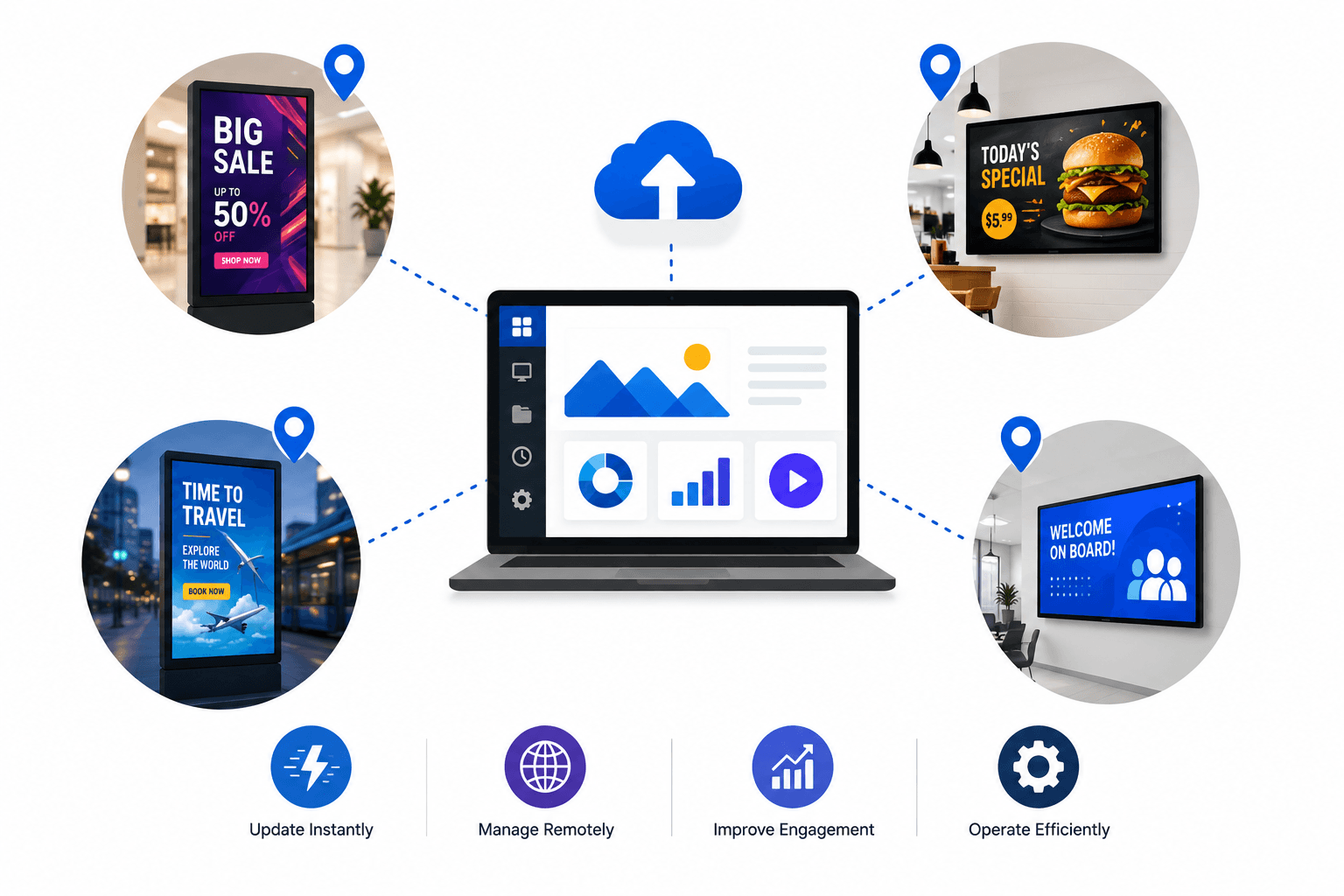
Shopping malls, retail stores, corporate offices, transportation hubs, and hospitality venues are increasingly adopting digital displays to deliver dynamic advertising and content experiences.
Managing these screen networks requires scalable software infrastructure that allows businesses to control, monitor, and update screens across multiple locations.
Enterprise digital signage platforms such as Flickerwall are designed to support these large-scale deployments by enabling centralized content management, scheduling automation, and remote screen monitoring across distributed display networks.
As digital screen networks expand, the integration between digital signage platforms and advertising ecosystems is becoming increasingly important.
Why Industry Events Like ad:tech Matter
Events such as ad:tech New Delhi provide more than educational sessions. They create opportunities for collaboration across the marketing and technology ecosystem.
Benefits of attending include:
Learning about emerging marketing technologies
Discovering new advertising platforms and tools
Understanding trends in programmatic and DOOH advertising
Building partnerships with agencies and technology providers
Networking with industry decision-makers
For technology companies and startups, the event also provides a platform to showcase solutions that support the evolving needs of advertisers and media owners.
The Future of Programmatic DOOH
Programmatic advertising is expanding beyond traditional digital channels and increasingly entering the out-of-home advertising ecosystem.
Digital displays located in high-traffic environments can now be integrated into automated advertising marketplaces, allowing brands to purchase screen inventory programmatically.
Platforms like Flickerwall are exploring this evolution through solutions such as Atlas, a DOOH infrastructure layer designed to help screen owners participate in programmatic advertising networks while maintaining centralized control of their screen inventory.
This shift represents a broader trend where digital signage platforms are becoming part of the larger advertising technology stack.
Conclusion
ad:tech New Delhi 2026 will once again bring together marketers, agencies, publishers, and technology providers to discuss the innovations driving the digital advertising industry.
As the ecosystem continues to evolve, areas such as programmatic advertising, AI-driven marketing, and digital out-of-home media will play an increasingly important role in how brands reach audiences.
For companies building infrastructure for digital displays and advertising networks, these industry conversations are critical. Platforms like Flickerwall aim to support this evolving ecosystem by helping organizations manage digital screen networks efficiently while exploring the next generation of DOOH advertising technologies.
Events like ad:tech New Delhi highlight how the future of advertising will be shaped by the convergence of marketing technology, media platforms, and digital screen infrastructure.