What We Learned at Media Expo April 2026
First-hand insights into the future of digital signage and display ecosystems
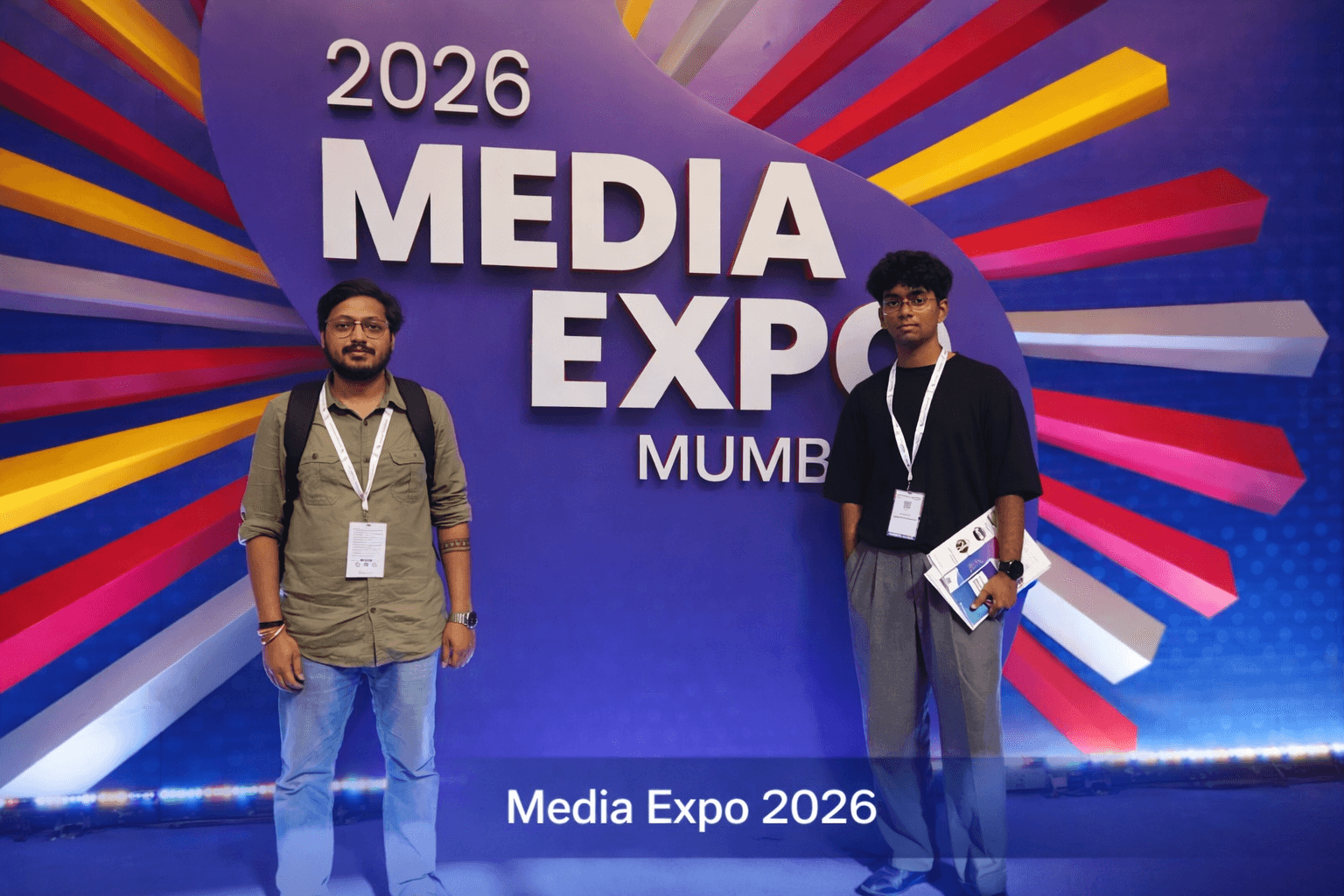
Attending the Media Expo April 2026 gave us a clear, on-ground perspective of where the signage industry is heading. From conversations with system integrators to observing live demos across booths, one thing stood out—digital transformation in signage is accelerating faster than expected. This wasn’t just about new screens or better hardware. It was about how content is managed, scaled, and delivered across increasingly complex networks.
Written by
Sidharth Gaikwad
Read Time
2 minutes
Posted on
12/04/2026
The Shift Is Real: From Static to Digital
Walking through the expo floor, it was evident that traditional print signage is steadily losing ground.
Many exhibitors who once focused purely on print are now showcasing digital solutions. The conversation has shifted from “what to display” to “how to manage displays at scale.”
This reinforces a critical shift: signage is no longer static—it’s becoming a dynamic communication system.
What Conversations at the Expo Revealed
Beyond the booths, our discussions with partners and industry professionals highlighted recurring challenges.
Key insights from these conversations:
Managing content across multiple locations is still a major pain point
Businesses want automation but lack the right tools
Real-time updates are becoming a necessity, not a luxury
There is growing demand for centralized control systems
These are not future problems—they are current operational gaps.
Technology Trends We Observed First-Hand
The expo clearly showcased where the industry is investing.
Major trends included:
High-brightness LED displays dominating outdoor use cases
Cloud-based CMS platforms gaining traction
Integration of AI for smarter content delivery
Demand for scalable infrastructure across cities and enterprises
However, while hardware innovation is strong, software and content management remain the biggest differentiators.
The Gap Between Hardware and Content Strategy
One key observation was that many businesses are investing heavily in screens but underestimating content strategy.
Without proper content management:
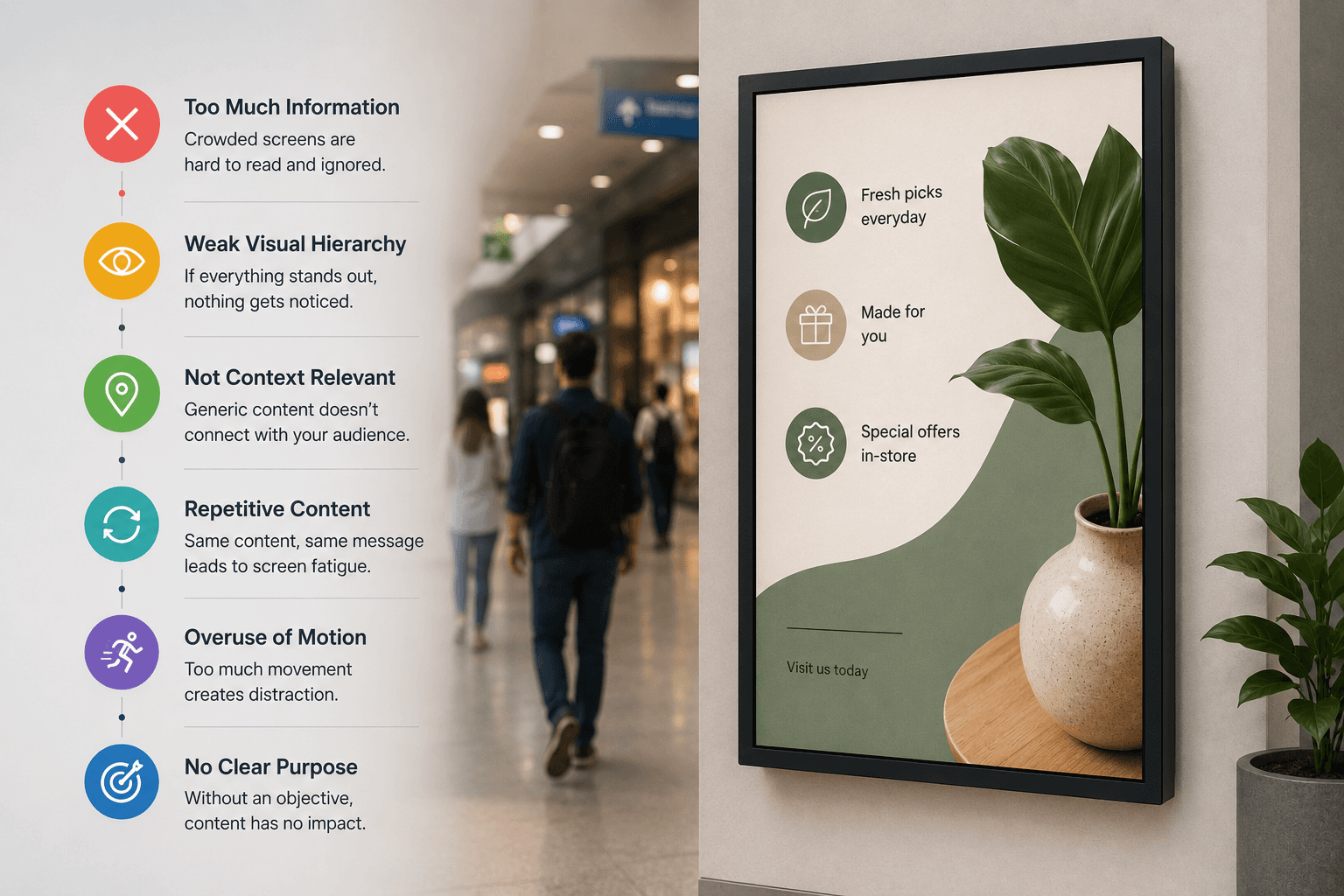
Screens become underutilized
Messaging becomes inconsistent
ROI drops significantly
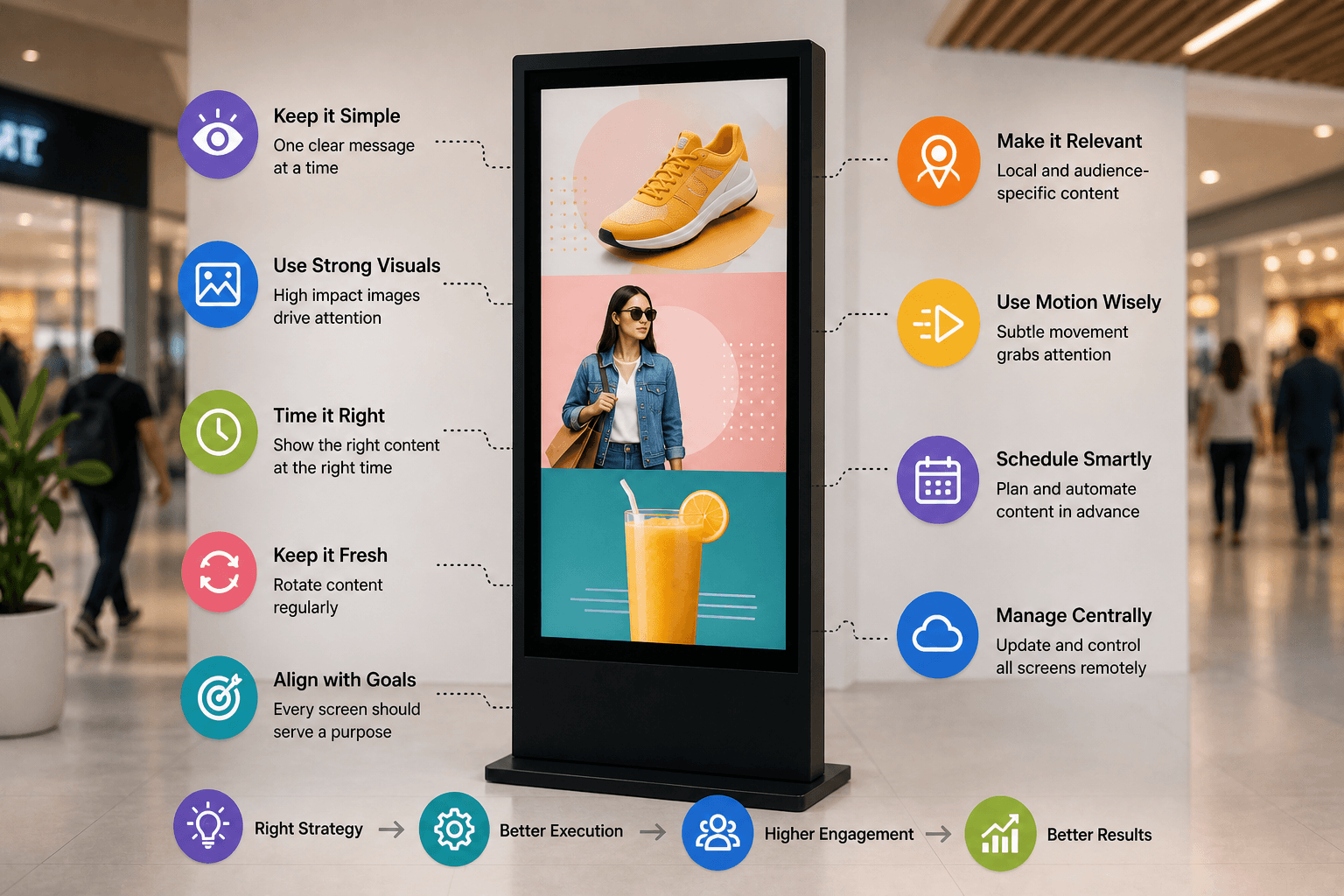
This is where the real opportunity lies—not just in displays, but in how they are managed.
Where Flickerwall Fits In
Everything we observed at Media Expo directly aligns with what Flickerwall is built to solve.
Flickerwall addresses the exact gaps we saw:
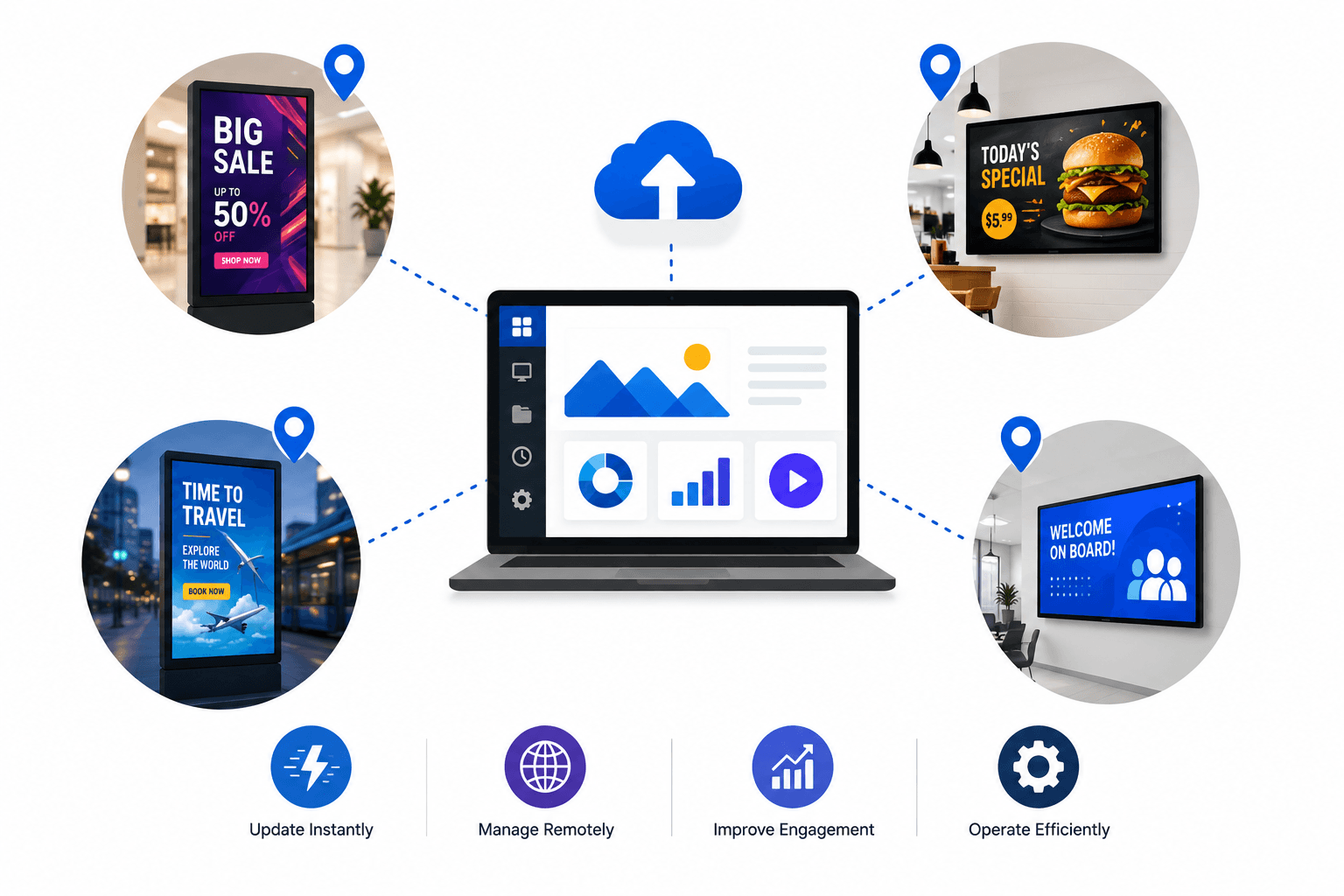
Centralized control across multiple screens
Automated scheduling and content updates
Real-time management capabilities
Scalable infrastructure for growing networks
Instead of managing screens individually, businesses can operate them as a unified system.
Use Cases That Stood Out at the Expo
Retail Environments
Brands are moving toward dynamic promotions that can be updated instantly across locations.
Corporate and Enterprise Spaces
There is a strong push for real-time internal communication and dashboards.
Outdoor Advertising
LED displays are becoming more common, but require better content synchronization.
Events and Exhibitions
Temporary setups still face challenges in managing content efficiently across multiple screens.
Key Takeaway: It’s No Longer About Screens
The biggest takeaway from attending Media Expo April 2026 is this:
The industry is no longer centered around displays—it’s centered around systems.
Businesses that succeed will be the ones that:
Invest in scalable content infrastructure
Automate their display networks
Focus on real-time, data-driven communication
Conclusion: Turning Insights into Action
Media Expo April 2026 validated what we’ve been seeing across the industry—digital signage is evolving into a core business and communication tool.
Flickerwall is positioned to help businesses bridge the gap between hardware and intelligent content management.
If you’re scaling your display network, now is the time to move beyond screens and build a smarter content ecosystem with Flickerwall.