Optimizing Café Menu Displays for Higher Revenue
How the right menu board strategy drives impulse purchases and operational efficiency
In cafés and quick-service restaurants, most buying decisions happen at the counter. Your menu board is not just informational—it directly influences order value and speed of service. From handcrafted chalkboards to cloud-powered digital displays, the format you choose can shape customer perception, brand positioning, and overall profitability.
Written by
Sidharth Gaikwad
Read Time
7 minutes
Posted on
05-05-2025
Why Menu Boards Matter
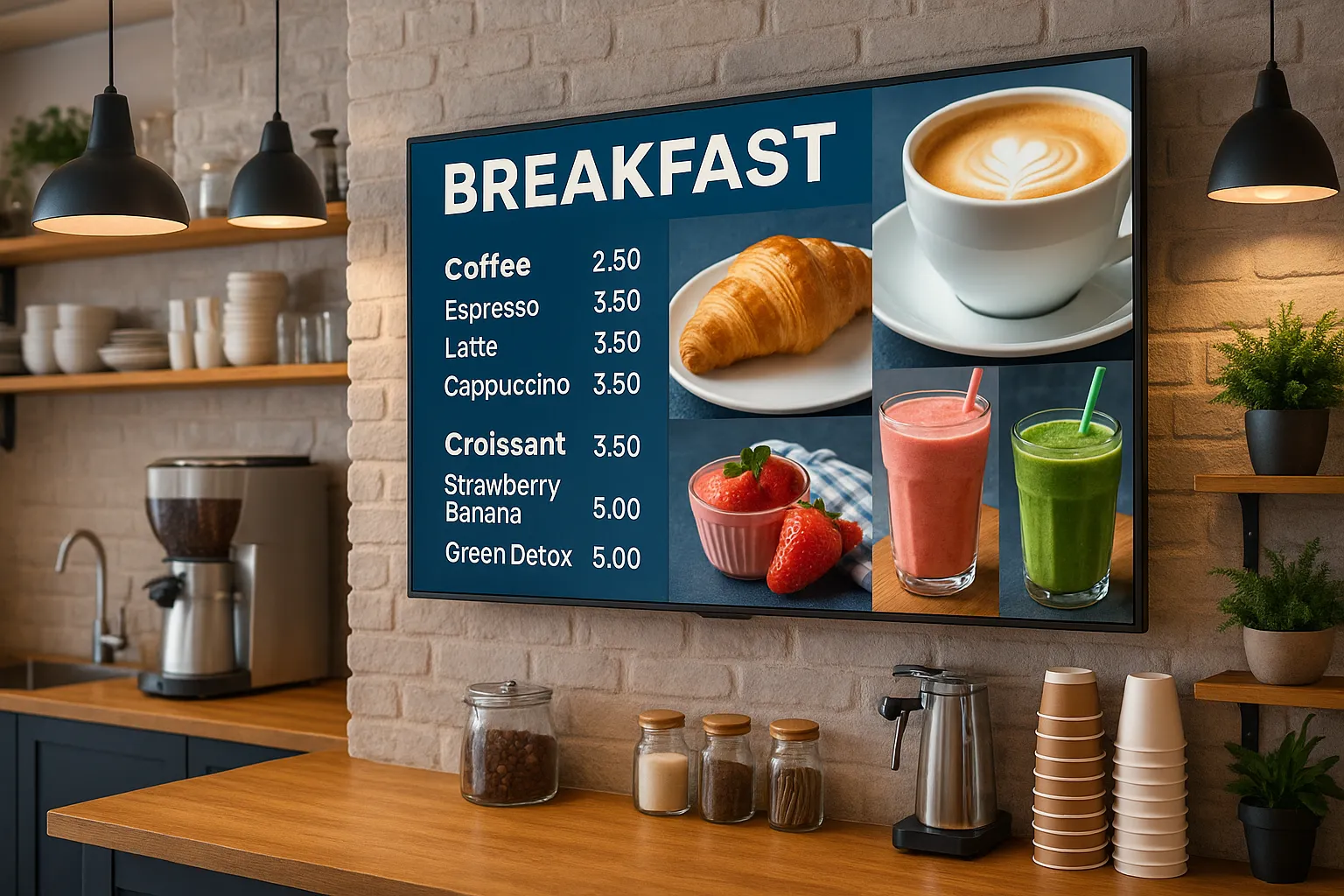
Research shows that approximately 80% of purchase decisions occur at the point of sale. Clear layouts, compelling visuals, and strategic placement increase average order value and reduce friction in the buying process.
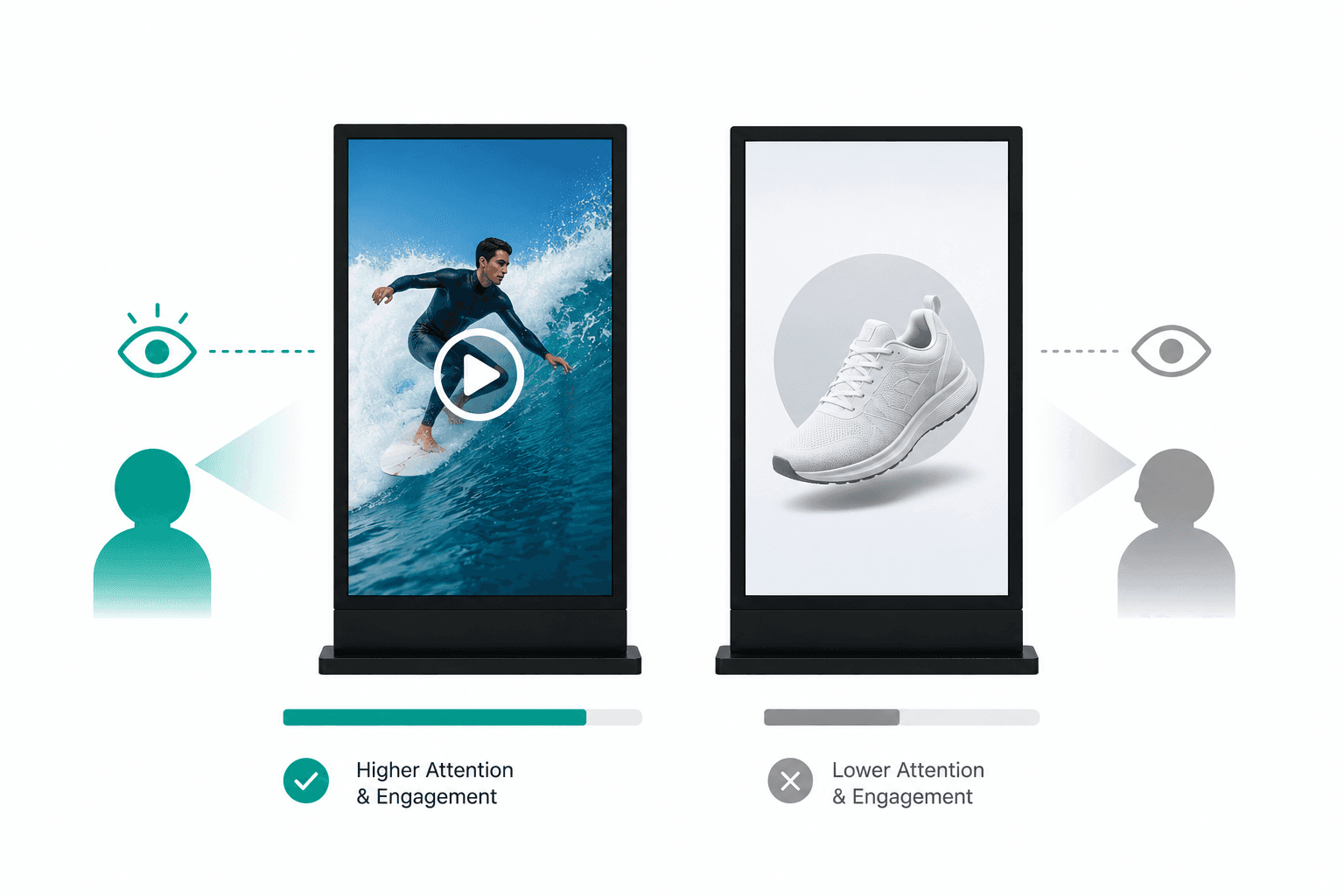
Bright, dynamic screens can further stimulate impulse purchases and shorten perceived wait times.
1. Framed and Hanging Boards
Traditional printed or chalkboard menus framed in wood or metal offer a handcrafted aesthetic.
Pros:
Cost-effective and durable
No electricity required
Rustic brand appeal
Cons:
Difficult to update
Static content only
Limited promotional flexibility
Estimated Cost: ₹3,000–₹15,000
2. Digital Menu Boards
LCD or LED screens powered by cloud software allow real-time updates and dynamic content.
Pros:
Instant updates from any device
Video, animation, and auto-scheduling support
3–5% average sales lift reported
Cons:
Higher upfront investment
Requires power and internet
Estimated Cost: ₹40,000–₹1,50,000 per screen
3. Backlit or Lightbox Panels
Illuminated printed panels commonly used in large QSR chains.
Pros:
High visibility
Professional appearance
Suitable for low-light settings
Cons:
Printing required for updates
Static design limitations
Estimated Cost: ₹60,000–₹1,50,000
4. Magnetic and Sliding Letter Boards
Manual letter boards for daily specials and quick edits.
Pros:
No technology required
Nostalgic appeal
Easy manual updates
Cons:
Limited visual appeal
Letters may go missing
Not scalable
Estimated Cost: ₹4,000–₹25,000
5. Chalk and Marker Boards
Writable boards offering flexibility and artisanal branding.
Pros:
Affordable
Customizable daily
Creative and authentic feel
Cons:
Smudging issues
Limited readability from distance
Time-intensive maintenance
Estimated Cost: ₹1,000–₹8,000
6. A-Frame and Easel Signs
Portable boards placed outside stores to capture foot traffic.
Pros:
Highly visible
Portable and customizable
Ideal for promotions
Cons:
Weather-sensitive
Requires durable materials
Estimated Cost: ₹3,000–₹12,000
Why Digital Menu Boards Are Growing Rapidly
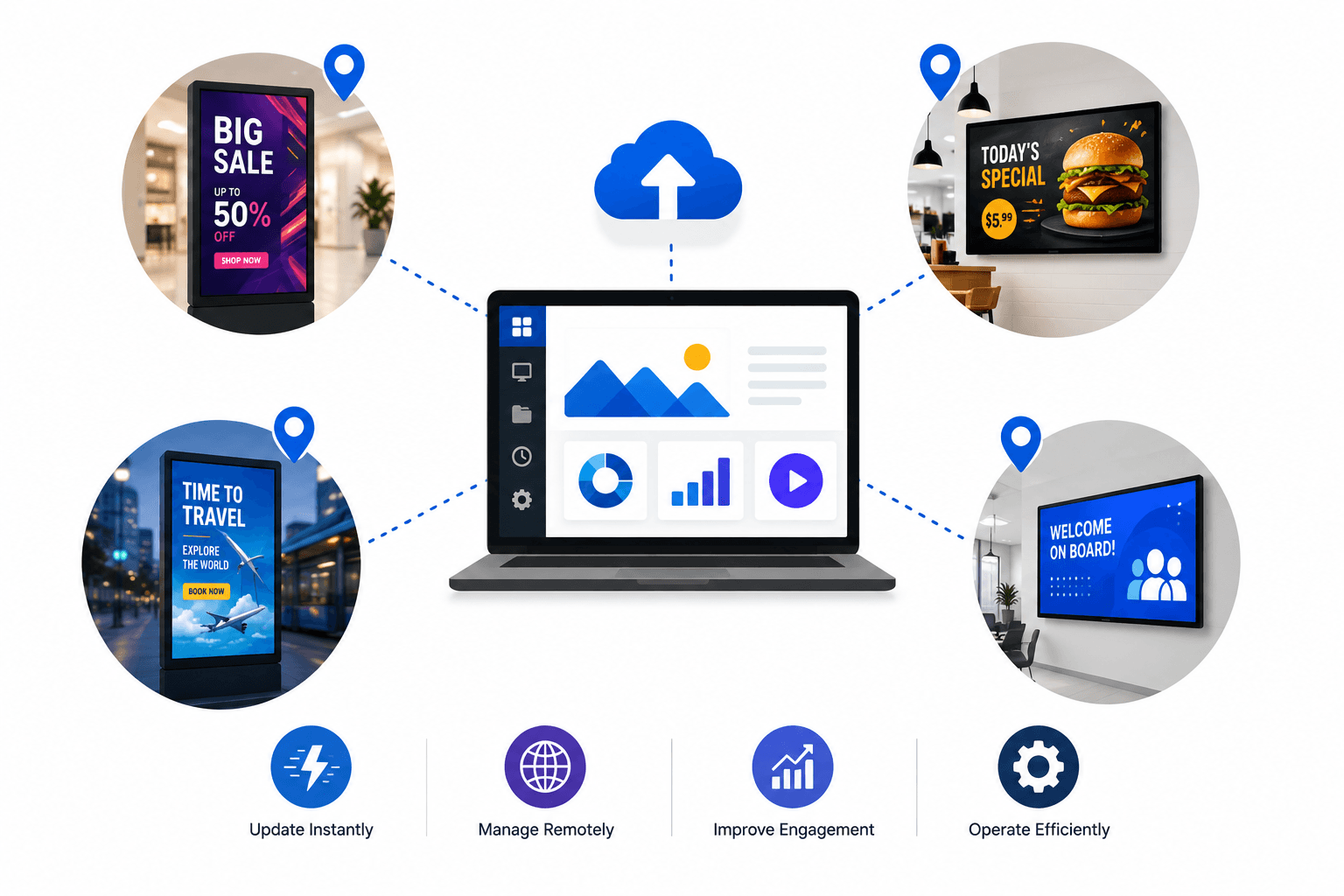
Digital menu boards address the limitations of static signage. With cloud-based CMS platforms, cafés can:
Update prices and availability instantly
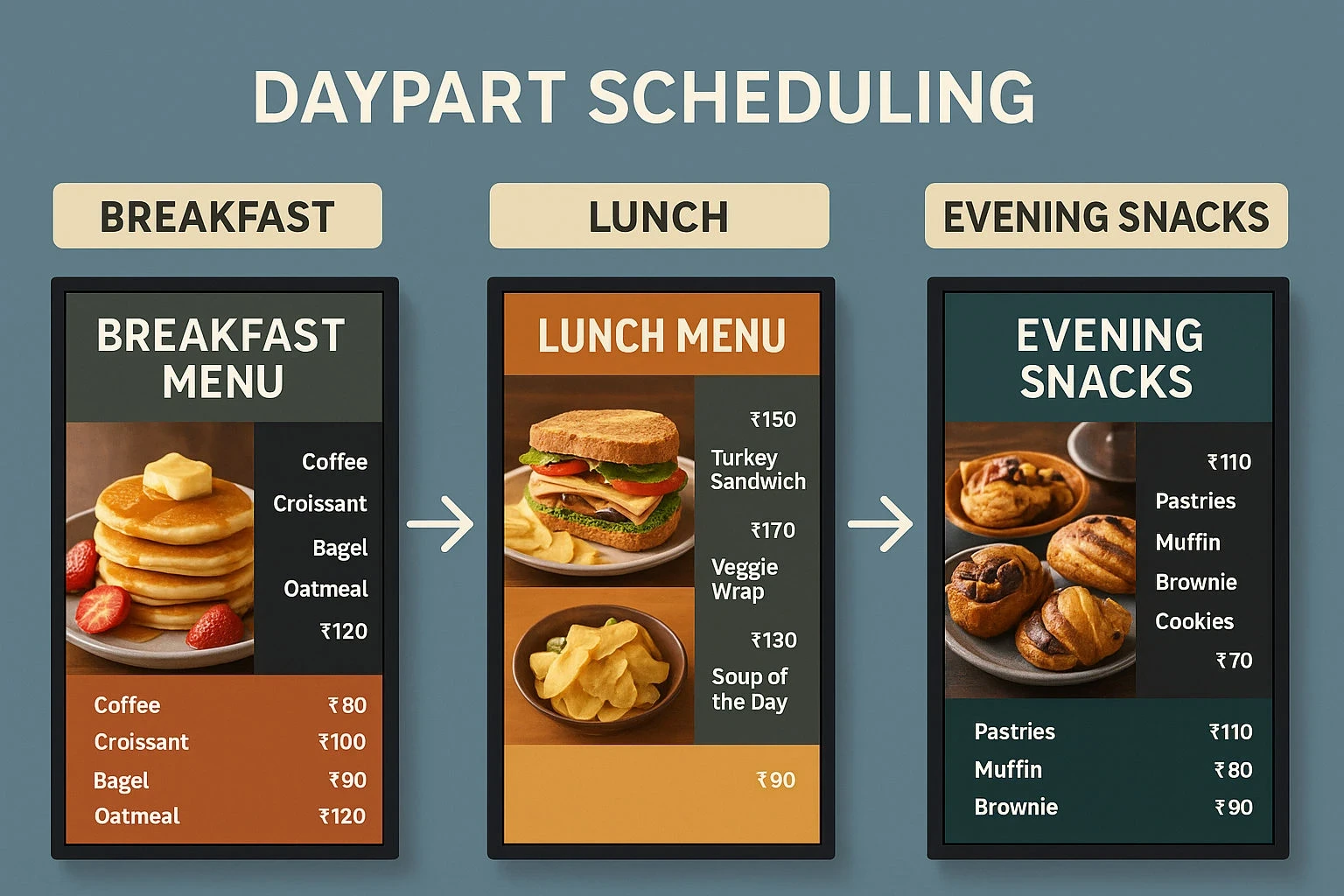
Automate breakfast, lunch, and dinner transitions
Highlight limited-time offers
Maintain brand consistency across locations
Manage multiple screens from a single dashboard
This operational flexibility supports revenue growth while reducing manual effort.
How Flickerwall Supports Café and QSR Growth
Flickerwall is a cloud-based digital signage CMS designed for hospitality businesses seeking scalable control and measurable ROI.
Key capabilities include:
Remote content management via cloud dashboard
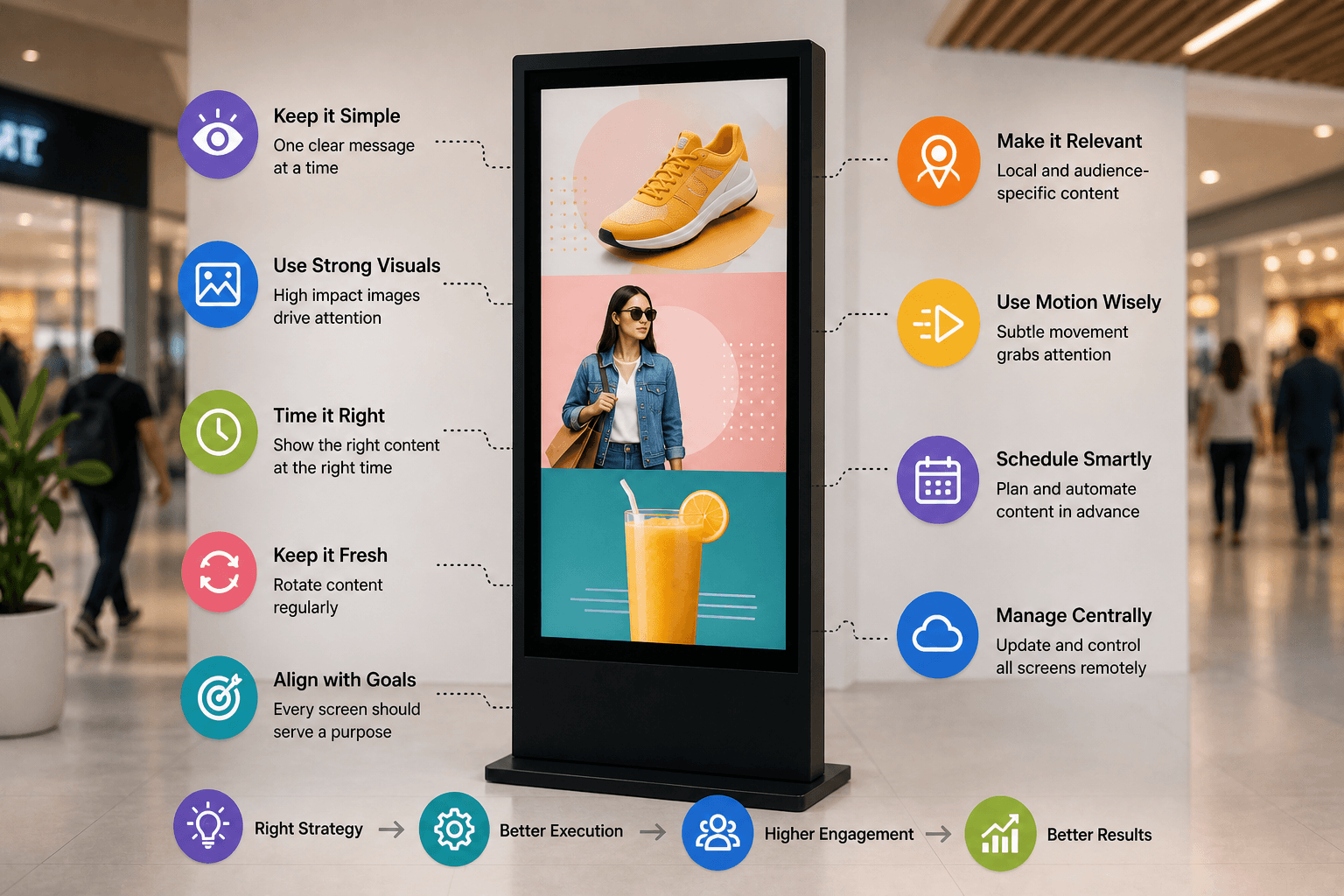
Dayparting and automated scheduling
Multi-zone layouts for promotions and combos
POS and API integrations
Affordable per-screen pricing
For growing café chains and QSR franchises, centralized control ensures pricing accuracy, brand alignment, and faster promotional rollouts.
Conclusion: Turning Menus into Revenue Engines
Menu boards are not decorative assets—they are conversion tools. Whether you choose traditional boards or digital displays, the structure, clarity, and flexibility of your menu directly influence revenue performance.
For cafés and QSRs aiming to modernize operations, automate updates, and maximize every transaction, digital menu boards provide a measurable advantage.
Start your free trial with Flickerwall and transform your menu boards into a scalable growth driver.